Ever wonder why some businesses turn visitors into buyers like magic? The secret weapon isn’t luck—it’s a well-structured sales funnel. Let’s break down how it works and how you can build one that converts.
Sales Funnel: What It Is and Why It Matters

A sales funnel is more than just a marketing buzzword—it’s the backbone of every successful business strategy. Think of it as a roadmap that guides potential customers from first awareness to final purchase. Without it, you’re essentially leaving money on the table.




The Core Concept of a Sales Funnel
At its heart, a sales funnel represents the customer journey. It starts broad, capturing attention from a wide audience, and gradually narrows down to those who are ready to buy. This process mimics how people make decisions: they learn, consider, and then act.
- It visualizes the buyer’s journey from stranger to customer.
- It helps businesses identify where prospects drop off.
- It enables targeted marketing at each stage.
“A sales funnel isn’t about manipulating people—it’s about guiding them to a decision they’ll be happy with.” — Russell Brunson, founder of ClickFunnels
Why Every Business Needs a Sales Funnel
Whether you’re selling a $5 ebook or a $50,000 software suite, a sales funnel is essential. It streamlines your marketing, improves customer experience, and boosts conversion rates. According to Shopify, businesses with optimized funnels see up to 3x higher conversion rates.
- Increases predictability in sales.
- Reduces customer acquisition costs.
- Enhances customer retention through structured follow-ups.
The 7 Stages of a High-Converting Sales Funnel
While many models simplify the funnel into three stages (Awareness, Interest, Decision), a deeper dive reveals seven distinct phases. Mastering each one gives you granular control over your customer journey.
1. Awareness: Attracting the Right Audience
This is the top of the funnel (TOFU), where potential customers first encounter your brand. The goal here isn’t to sell—it’s to educate and engage. You want to solve a problem they didn’t even know they had.
- Use SEO-optimized blog content to rank for relevant keywords.
- Leverage social media platforms like Instagram and LinkedIn.
- Run targeted ads on Google and Facebook.
For example, if you sell productivity tools, a blog post titled “10 Time-Wasting Habits Killing Your Workday” can attract professionals searching for solutions. Tools like Ahrefs can help identify high-traffic, low-competition keywords to target.
2. Interest: Building Engagement and Trust
Once someone knows you exist, the next step is to deepen their interest. This is where you transition from a stranger to a trusted advisor. People don’t buy from brands they don’t trust.
- Offer free resources like checklists, templates, or webinars.
- Use email marketing to nurture leads.
- Share case studies and testimonials.
A well-crafted lead magnet—like a free downloadable guide—can capture emails and start building a relationship. According to OptinMonster, lead magnets can increase conversion rates by up to 1,200%.
3. Consideration: Presenting Your Solution
Now your prospect is evaluating options. They know their problem and are actively looking for a solution. This is your chance to stand out from competitors.
- Highlight unique selling propositions (USPs).
- Compare your product to alternatives.
- Offer live demos or free trials.
For SaaS companies, a 14-day free trial can be the perfect way to let users experience value firsthand. HubSpot, for instance, uses this model effectively to convert free users into paying customers.
4. Intent: Capturing Commitment Signals
This stage is often overlooked but critical. It’s where the prospect shows clear buying intent—adding to cart, requesting a quote, or scheduling a call. These are warm leads that need gentle nudging.
- Use retargeting ads to remind them of their interest.
- Send cart abandonment emails with incentives.
- Offer limited-time bonuses.
According to Statista, the average cart abandonment rate is around 70%. A simple email sequence offering a 10% discount can recover up to 15% of those lost sales.
5. Purchase: Closing the Deal
This is the moment of conversion. Your job now is to make the buying process as smooth as possible. Friction here can kill a sale, no matter how well you’ve nurtured the lead.
- Optimize checkout pages for speed and simplicity.
- Offer multiple payment options.
- Display trust badges (SSL, money-back guarantees).
Amazon’s “1-Click Ordering” is a masterclass in reducing friction. It’s estimated that this feature alone contributes to billions in annual sales by minimizing decision fatigue.
6. Retention: Turning Buyers into Repeat Customers
The funnel doesn’t end at purchase. In fact, it’s just beginning. Retaining a customer is 5 to 25 times cheaper than acquiring a new one, according to Harvard Business Review.
- Send onboarding emails to ensure product adoption.
- Offer loyalty programs or referral bonuses.
- Request feedback to improve service.
Companies like Starbucks use mobile apps and rewards programs to keep customers coming back. Their loyalty program accounts for over 50% of U.S. sales.
7. Advocacy: Creating Brand Evangelists
The final stage transforms satisfied customers into promoters. These are the people who leave 5-star reviews, refer friends, and share your content on social media.
Sales Funnel – Sales Funnel menjadi aspek penting yang dibahas di sini.
- Encourage reviews with post-purchase emails.
- Launch a referral program with incentives.
- Feature user-generated content on your channels.
Dropbox famously grew its user base by 60% in 15 months using a referral program that gave extra storage space for every friend invited.
Types of Sales Funnels and When to Use Them
Not all sales funnels are created equal. The type you choose depends on your product, audience, and business model. Let’s explore the most effective ones.
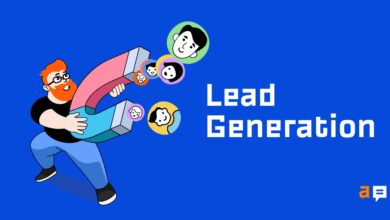
Lead Generation Funnel
This funnel is designed to collect contact information, usually emails, in exchange for a valuable free offer. It’s perfect for service-based businesses or companies building an audience.
- Offer a free ebook, webinar, or consultation.
- Use landing pages with strong CTAs.
- Follow up with an email sequence.
For example, a financial advisor might offer a “Free Retirement Planning Checklist” to attract leads. Once they have the email, they can nurture the relationship over time.
Sales Page Funnel
This is a direct-response funnel focused on selling a single product or service. It typically includes a long-form sales page, testimonials, and a strong call to action.
- Use persuasive copywriting techniques.
- Include video testimonials and social proof.
- Offer a risk-reversal guarantee.
This model works well for high-ticket items like coaching programs or software subscriptions. Platforms like ClickFunnels are built specifically for this type of funnel.
Webinar Funnel
A webinar funnel uses live or automated webinars to educate and sell. It’s highly effective because it builds trust through real-time interaction.
- Host a free training session on a relevant topic.
- Demonstrate your solution during the presentation.
- Offer a special discount for attendees.
Webinars can achieve conversion rates of 20-30%, far higher than standard landing pages. Companies like Russell Brunson and Amy Porterfield have built empires using this model.
How to Build a Sales Funnel: A Step-by-Step Guide
Now that you understand the stages and types, let’s walk through how to build your own high-converting sales funnel from scratch.
Step 1: Define Your Target Audience
You can’t build a funnel without knowing who you’re building it for. Create a detailed buyer persona including demographics, pain points, goals, and online behavior.
- Conduct surveys or interviews with existing customers.
- Analyze website analytics to see who’s visiting.
- Use tools like Google Analytics and Facebook Audience Insights.
The more specific you are, the better you can tailor your messaging. A vague audience leads to weak offers and poor conversions.
Step 2: Choose Your Funnel Type
Based on your product and audience, select the most appropriate funnel type. Are you selling a low-cost digital product? A lead magnet funnel might work best. Selling a high-ticket course? Go for a webinar funnel.
- Match the funnel to your customer’s buying journey.
- Consider your team’s capacity to deliver (e.g., live webinars require more effort).
- Test different models to see what converts best.
There’s no one-size-fits-all solution. The key is alignment between your offer, audience, and delivery method.
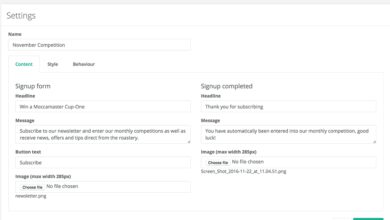
Step 3: Craft Your Lead Magnet
Your lead magnet is the bait that attracts prospects. It must be highly valuable, easy to consume, and directly related to your core offer.
- Solve a specific, urgent problem.
- Keep it simple: PDFs, checklists, or short video tutorials work best.
- Make the benefit crystal clear in the title.
For example, “The 5-Minute SEO Audit Checklist” is more compelling than “Free SEO Guide.” Specificity increases perceived value.
Step 4: Build Your Landing Page
This is where the magic happens. Your landing page must clearly communicate the benefit of your lead magnet and make signing up effortless.
- Use a strong headline that speaks to the pain point.
- Include a short, persuasive video or bullet points.
- Minimize form fields—ask only for name and email.
Tools like Leadpages or Unbounce make it easy to create high-converting landing pages without coding. A/B test different versions to optimize performance.
Step 5: Set Up Email Automation
Once you’ve captured an email, don’t go silent. Use an email sequence to build trust, provide value, and gently guide them toward a purchase.
Sales Funnel – Sales Funnel menjadi aspek penting yang dibahas di sini.
- Send a welcome email immediately after signup.
- Deliver the lead magnet and follow up with related tips.
- Introduce your product or service in the 3rd or 4th email.
Mailchimp, ConvertKit, and ActiveCampaign are great tools for setting up automated sequences. The goal is to stay top-of-mind without being pushy.
Step 6: Create Your Sales Offer
Your offer is the centerpiece of the funnel. It should be irresistible—so good that saying no feels like a loss.
- Bundle products or services for perceived value.
- Add bonuses that are easy for you to deliver but valuable to the customer.
- Use scarcity and urgency (e.g., “Only 10 spots left!”).
A classic example is “Buy now and get three free coaching sessions.” The bonuses cost little but dramatically increase conversion rates.
Step 7: Optimize and Scale
No funnel is perfect on the first try. Use data to identify weak points and improve over time.
- Track metrics like conversion rate, email open rate, and average order value.
- Use heatmaps (via Hotjar) to see how users interact with your pages.
- Run A/B tests on headlines, CTAs, and pricing.
Scaling comes after optimization. Once you have a winning funnel, reinvest profits into paid ads, partnerships, or content marketing to drive more traffic.
Common Sales Funnel Mistakes to Avoid
Even experienced marketers make mistakes that sabotage their funnels. Here are the most common pitfalls and how to avoid them.
Mistake 1: No Clear Target Audience
If you’re trying to sell to “everyone,” you’ll end up selling to no one. A vague message fails to resonate with anyone deeply.
- Solution: Refine your buyer persona and speak directly to their pain points.
- Use language they use, not corporate jargon.
- Test your messaging with a small audience before scaling.
“Marketing is no longer about the stuff you make, but the stories you tell.” — Seth Godin
Mistake 2: Overcomplicating the Funnel
More steps don’t mean better results. In fact, too many stages can confuse and frustrate users.
- Solution: Start simple. A basic funnel with a lead magnet, email sequence, and sales page is enough.
- Only add complexity once the core funnel is converting.
- Focus on clarity, not cleverness.
Mistake 3: Ignoring the Post-Purchase Experience
Many businesses treat the sale as the finish line. But the real opportunity lies in retention and referrals.
- Solution: Send onboarding emails, ask for reviews, and offer upsells.
- Create a customer journey that extends beyond the first purchase.
- Turn happy customers into brand advocates.
Tools and Platforms to Build Your Sales Funnel
You don’t need to be a tech wizard to build a powerful sales funnel. Here are the best tools to help you at every stage.
Landing Page Builders
These tools let you create high-converting landing pages without coding.
- ClickFunnels: All-in-one funnel builder with templates and automation.
- Leadpages: Great for lead generation and fast deployment.
- Unbounce: Known for A/B testing and landing page optimization.
Email Marketing Platforms
Essential for nurturing leads and driving conversions.
- Mailchimp: User-friendly for beginners.
- ConvertKit: Ideal for creators and bloggers.
- ActiveCampaign: Advanced automation and CRM features.
Analytics and Optimization Tools
Measure performance and improve your funnel over time.
- Google Analytics: Track traffic, behavior, and conversions.
- Hotjar: See user behavior with heatmaps and session recordings.
- Optimizely: Run A/B tests on your pages.
Sales Funnel Metrics That Matter
You can’t improve what you don’t measure. Tracking the right KPIs gives you insight into what’s working and what’s not.
Conversion Rate
This is the percentage of visitors who complete a desired action, like signing up or buying.
- Benchmarks vary by industry, but 2-5% is typical for lead capture.
- For e-commerce, average conversion rates are around 2-3%.
- Use A/B testing to improve underperforming pages.
Customer Acquisition Cost (CAC)
How much you spend to acquire one customer.
- Calculate: Total marketing spend / Number of customers acquired.
- Aim for a CAC that’s significantly lower than customer lifetime value (LTV).
- Optimize ad targeting and landing pages to reduce CAC.
Customer Lifetime Value (LTV)
The total revenue a customer generates over their relationship with your brand.
- Calculate: Average purchase value x Purchase frequency x Customer lifespan.
- Increasing LTV by 10% can boost profits by 25-95% (Bain & Company).
- Focus on retention, upsells, and cross-sells to grow LTV.
Funnel Drop-Off Rate
Identifies where people leave your funnel.
Sales Funnel – Sales Funnel menjadi aspek penting yang dibahas di sini.
- Use funnel visualization in Google Analytics.
- High drop-off at checkout? Simplify the process.
- Low email open rates? Improve subject lines and timing.
By monitoring these metrics, you can make data-driven decisions that improve performance over time.
Advanced Sales Funnel Strategies for Growth
Once you’ve mastered the basics, it’s time to level up. These advanced tactics can supercharge your results.
Upsell and Downsell Sequences
After a purchase, offer a higher-tier product (upsell) or a more affordable alternative if they decline (downsell).
- Example: After buying a $99 course, offer a $497 coaching package.
- Use one-click upsells to reduce friction.
- Downsells keep the sale alive even if the initial offer is rejected.
This strategy can increase revenue per customer by 20-30% without acquiring new leads.
Behavioral Email Triggers
Send automated emails based on user actions, like visiting a pricing page or abandoning a cart.
- Example: “We noticed you left something in your cart—here’s 10% off!”
- Use tools like Klaviyo or ActiveCampaign to set up triggers.
- Personalization increases relevance and conversion rates.
Retargeting Campaigns
Bring back visitors who didn’t convert with targeted ads.
- Use Facebook Pixel and Google Ads to track behavior.
- Show different ads based on what pages they visited.
- Combine with email retargeting for maximum impact.
Retargeting can increase conversion rates by up to 150%, according to AdRoll.
What is the best sales funnel for beginners?
A lead generation funnel is the best starting point. It’s simple, cost-effective, and helps you build an email list. Offer a free resource in exchange for contact info, then nurture those leads with value-packed emails before introducing your product.
How long does it take to build a sales funnel?
You can set up a basic funnel in as little as 1-2 days using tools like ClickFunnels or Leadpages. However, optimizing it for high conversions can take weeks or months of testing and refinement.
Can I build a sales funnel for free?
Yes, you can use free tools like Mailchimp (for email), WordPress (for landing pages), and Google Analytics (for tracking). While paid tools offer more features, you can start small and scale as you grow.
How do I know if my sales funnel is working?
Track key metrics like conversion rate, email open rate, and customer acquisition cost. If these are improving over time and you’re making a profit, your funnel is working. Use A/B testing to continuously optimize.
What’s the difference between a sales funnel and a marketing funnel?
A marketing funnel focuses on generating awareness and leads, while a sales funnel covers the entire journey—from first contact to purchase and beyond. The sales funnel includes closing tactics and post-purchase strategies that the marketing funnel often stops at.
Building a high-converting sales funnel isn’t a one-time task—it’s an ongoing process of testing, learning, and improving. From attracting the right audience to turning customers into advocates, each stage plays a crucial role in driving sustainable growth. By understanding the psychology behind buying decisions and leveraging the right tools and strategies, you can create a funnel that not only converts but scales with your business. The key is to start simple, measure everything, and never stop optimizing. Your perfect funnel isn’t built in a day, but every tweak brings you closer to predictable, profitable growth.
Sales Funnel – Sales Funnel menjadi aspek penting yang dibahas di sini.
Further Reading: