Ever wonder what exactly a ‘lead’ is in the world of marketing and sales? It’s more than just a name on a list. Let’s break down the real leads definition and why it’s the lifeblood of every growing business.
Leads Definition: What Exactly Is a Lead?

At its core, the leads definition refers to a person or organization that has shown interest in your product or service. This interest could come from filling out a form, subscribing to a newsletter, downloading a guide, or engaging with your content. A lead is not yet a customer—but they’re on the radar.





Why the Leads Definition Matters in Business
Understanding the precise leads definition is crucial because it sets the foundation for your entire sales and marketing funnel. Without clarity on what constitutes a lead, businesses risk wasting resources on unqualified prospects or missing opportunities with high-potential ones.
- A clear leads definition aligns marketing and sales teams.
- It enables accurate tracking of conversion rates.
- It improves targeting and personalization in campaigns.
“A lead is the starting point of every customer journey. Misunderstanding it means misdirecting your entire strategy.” — HubSpot, What Is a Lead?
Difference Between a Lead and a Prospect
While often used interchangeably, a lead and a prospect are not the same. A lead is anyone who has expressed initial interest. A prospect, however, is a lead that has been qualified—meaning they meet specific criteria such as budget, authority, need, and timeline (BANT).
- Lead: Submitted an email for a free trial.
- Prospect: The same person, confirmed they have budget and decision-making power.
This distinction is vital for efficient resource allocation. Not all leads should be treated equally.
Types of Leads: Understanding the Different Categories
Not all leads are created equal. Based on how they enter your system and their level of engagement, leads can be classified into several types. Knowing these helps tailor your follow-up strategy.
1. Information-Qualified Lead (IQL)
An Information-Qualified Lead is someone who has provided basic contact information, usually in exchange for content like an eBook or webinar. They’ve taken the first step but haven’t shown deep engagement.
- Common source: Content downloads, newsletter signups.
- Action required: Nurture with educational content.
- Example: A user downloads a PDF titled “10 SEO Tips for Beginners.”
According to MarketingProfs, IQLs are the most common type of lead but have the lowest conversion potential without proper nurturing.
2. Marketing-Qualified Lead (MQL)
A Marketing-Qualified Lead has demonstrated behavior indicating a higher interest in your offering. This could include visiting pricing pages, engaging with multiple emails, or attending a demo.
- Indicators: Repeated website visits, email opens, content engagement.
- Next step: Hand off to sales if they meet lead scoring thresholds.
- Example: A visitor checks your pricing page three times in a week.
MQLs are warmer than IQLs and are often prioritized in lead nurturing workflows.
3. Sales-Qualified Lead (SQL)
A Sales-Qualified Lead is ready for direct sales engagement. They’ve been vetted by marketing and meet the criteria for a sales conversation—such as budget, need, and timing.
- Qualification: Confirmed via lead scoring or direct inquiry.
- Action: Assigned to a sales representative for outreach.
- Example: A lead requests a one-on-one demo after using a free tool.
SQLs have the highest conversion potential and are the primary focus of sales teams.
Leads Definition in Digital Marketing: How Online Channels Generate Leads
In the digital age, the leads definition has evolved with the rise of online interactions. Most leads today come from digital channels, each with unique characteristics and conversion paths.
1. Website Forms and Landing Pages
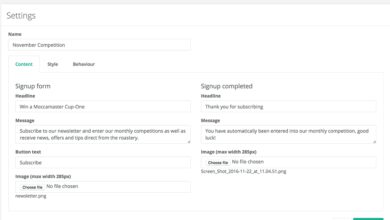
One of the most direct ways to capture leads is through website forms. Whether it’s a contact form, newsletter signup, or demo request, these tools convert visitors into leads.
leads definition – Leads definition menjadi aspek penting yang dibahas di sini.
- Best practices: Keep forms short, use clear CTAs, and offer value.
- Tools: Unbounce, Leadpages, HubSpot Forms.
- Tip: A/B test form placements and copy for higher conversion.
According to Neil Patel, optimizing landing pages can increase lead conversion by up to 300%.
2. Social Media Leads
Social platforms like LinkedIn, Facebook, and Instagram now offer built-in lead generation tools. Users can submit information without leaving the app, making it easier to capture intent.
- Examples: LinkedIn Lead Gen Forms, Facebook Lead Ads.
- Advantage: High intent, low friction.
- Challenge: Data quality and follow-up speed.
Social media leads are especially effective for B2B companies using LinkedIn for targeted outreach.
3. Search Engine Marketing (SEM) and SEO
Paid ads (SEM) and organic search (SEO) are powerful lead sources. Users searching for solutions are often in the decision-making phase, making them high-intent leads.
- SEM: Google Ads with lead-focused landing pages.
- SEO: Blog posts optimized for buyer-intent keywords.
- Example: Ranking for “best CRM for small business” attracts qualified leads.
A study by Backlinko found that the first page of Google captures 75% of all search traffic, making SEO a critical lead channel.
Lead Generation Strategies: How to Turn Interest into Leads
Now that we’ve clarified the leads definition, how do you actually generate them? Effective lead generation combines content, technology, and strategy.
1. Content Marketing as a Lead Engine
High-value content like eBooks, whitepapers, webinars, and checklists are proven lead magnets. In exchange for useful information, users provide their contact details.
- Top-performing content: Industry reports, templates, toolkits.
- Placement: Gated content on landing pages.
- Example: A SaaS company offers a “Free ROI Calculator” in exchange for an email.
Content marketing generates 3x more leads than paid advertising, according to Content Marketing Institute.
2. Email Marketing and Lead Nurturing
Email remains one of the most effective channels for converting leads. Automated drip campaigns guide leads through the buyer’s journey with personalized messaging.
- Key elements: Welcome series, educational content, case studies.
- Tools: Mailchimp, ActiveCampaign, Klaviyo.
- Best practice: Segment leads based on behavior and interests.
For every $1 spent on email marketing, the average ROI is $42, as reported by Campaign Monitor.
3. Webinars and Live Events
Webinars offer real-time engagement and are excellent for building trust. Attendees are often highly interested, making them quality leads.
- Benefits: Demonstrates expertise, allows Q&A, captures intent.
- Promotion: Use email, social media, and paid ads.
- Follow-up: Send recording and a special offer.
According to ON24, 60% of webinar attendees are open to sales conversations afterward.
Lead Scoring: Prioritizing Leads Based on Potential
With hundreds of leads coming in, how do you know which ones to focus on? That’s where lead scoring comes in—a system that assigns points based on behavior and demographics.
How Lead Scoring Works
Lead scoring uses a point-based model to rank leads. Actions like visiting a pricing page (+10 points) or downloading a case study (+5 points) increase a lead’s score. Demographic fit (job title, company size) also adds points.
leads definition – Leads definition menjadi aspek penting yang dibahas di sini.
- Positive signals: Page visits, email clicks, form submissions.
- Negative signals: Unsubscribes, inactivity over 30 days.
- Threshold: 50+ points = Sales-Qualified Lead.
Lead scoring ensures that sales teams focus on the most promising opportunities.
Demographic vs. Behavioral Scoring
There are two main types of lead scoring:
- Demographic Scoring: Based on who the lead is (industry, role, company size).
- Behavioral Scoring: Based on what the lead does (website visits, content engagement).
The most effective systems combine both. For example, a CTO from a tech company (high demographic score) who visits your demo page (high behavioral score) is a top-tier lead.
Tools for Lead Scoring
Several CRM and marketing automation platforms offer built-in lead scoring:
- HubSpot: Customizable scoring models.
- Salesforce: Einstein Lead Scoring with AI.
- Marketo: Behavior-based scoring workflows.
Using these tools, businesses can automate the qualification process and improve sales efficiency.
Leads Definition in Sales Funnel: Mapping the Customer Journey
The leads definition becomes even more meaningful when viewed through the lens of the sales funnel. Each stage represents a progression from awareness to purchase.
1. Top of Funnel (TOFU): Awareness Stage
At the top, leads are just becoming aware of a problem or solution. They may not know your brand yet. Content here should be educational and broad.
- Content types: Blog posts, infographics, social media.
- Goal: Attract and inform.
- Lead type: Information-Qualified Leads.
This stage is about volume—capturing as many relevant leads as possible.
2. Middle of Funnel (MOFU): Consideration Stage
Here, leads are comparing solutions. They know their problem and are researching options. Your content should highlight your strengths.
- Content types: Case studies, product comparisons, webinars.
- Goal: Build trust and differentiate.
- Lead type: Marketing-Qualified Leads.
Nurturing leads at this stage increases the chances of them choosing your solution.
3. Bottom of Funnel (BOFU): Decision Stage
Leads at the bottom are ready to buy. They may be asking for demos, quotes, or free trials. Sales teams take over here.
- Content types: Free trials, consultations, pricing guides.
- Goal: Convert to customer.
- Lead type: Sales-Qualified Leads.
Speed and personalization are critical at this stage to close the deal.
Common Mistakes in Lead Management and How to Avoid Them
Even with a solid leads definition, many companies fail to convert leads effectively. Here are the most common pitfalls and how to fix them.
1. Poor Lead Qualification
Chasing every lead wastes time and resources. Without proper qualification, sales teams end up talking to people who can’t or won’t buy.
leads definition – Leads definition menjadi aspek penting yang dibahas di sini.
- Solution: Implement lead scoring and clear MQL/SQL criteria.
- Tip: Regularly review and refine your qualification process.
According to Salesforce, 53% of sales reps say poor lead quality is their biggest challenge.
2. Slow Follow-Up
Speed matters. Research shows that leads contacted within 5 minutes are 9x more likely to convert.
- Problem: Manual follow-ups cause delays.
- Solution: Use automation tools for instant responses.
- Example: Trigger an email or SMS as soon as a form is submitted.
Fast response times signal professionalism and interest.
3. Lack of Alignment Between Sales and Marketing
When marketing and sales don’t agree on what a lead is, friction occurs. Marketing may pass unqualified leads, and sales may ignore them.
- Solution: Hold regular sync meetings and define a Service Level Agreement (SLA).
- Tool: Shared CRM with clear lead status tracking.
- Outcome: Smoother handoffs and higher conversion rates.
Aligned teams see 36% higher customer retention and 38% higher sales win rates (MarketingProfs).
Measuring Lead Success: Key Metrics to Track
To optimize your lead strategy, you need to measure performance. These metrics help you understand what’s working and where to improve.
1. Lead Conversion Rate
This measures the percentage of leads that become customers. A high conversion rate indicates effective targeting and nurturing.
- Formula: (Number of Customers / Number of Leads) x 100.
- Benchmark: Average is 5-15%, varies by industry.
- Improvement: Better qualification and follow-up.
2. Cost Per Lead (CPL)
CPL tells you how much you’re spending to acquire each lead. It’s crucial for budget planning and ROI analysis.
- Formula: Total Campaign Spend / Number of Leads.
- Example: $1,000 ad spend / 100 leads = $10 CPL.
- Goal: Lower CPL while maintaining quality.
3. Lead-to-Customer Timeline
This metric tracks how long it takes for a lead to become a paying customer. Shorter timelines mean more efficient processes.
- Use: Identify bottlenecks in the funnel.
- Tool: CRM with timestamp tracking.
- Optimization: Automate follow-ups and remove friction points.
“What gets measured gets managed.” — Peter Drucker
Tracking these metrics ensures continuous improvement in your lead strategy.
Future of Leads: Trends Shaping the Next Generation of Lead Generation
The leads definition is not static. As technology and consumer behavior evolve, so do the ways we generate and manage leads.
1. AI-Powered Lead Generation
Artificial Intelligence is transforming lead generation. AI tools can predict lead behavior, score leads in real-time, and even engage via chatbots.
- Examples: Drift for conversational marketing, HubSpot AI for recommendations.
- Benefit: Faster, smarter, and more personalized outreach.
- Future: AI will handle initial qualification and scheduling.
2. Privacy-First Lead Collection
With increasing data privacy laws (GDPR, CCPA), businesses must collect leads ethically. Consent and transparency are now mandatory.
- Best practices: Clear opt-in forms, privacy policy links, data minimization.
- Impact: Builds trust and compliance.
- Challenge: Balancing personalization with privacy.
3. Zero-Party Data and Direct Consent
Zero-party data—information customers willingly share—is becoming more valuable than third-party data. It’s more accurate and privacy-compliant.
leads definition – Leads definition menjadi aspek penting yang dibahas di sini.
- Examples: Preference centers, surveys, interactive quizzes.
- Use: Personalize offers and content.
- Advantage: Higher engagement and trust.
As third-party cookies decline, zero-party data will be the new gold standard for lead generation.
What is the basic leads definition?
The basic leads definition is a person or organization that has shown interest in your product or service by providing contact information or engaging with your content. It’s the first step in the customer journey.
What are the main types of leads?
The main types of leads are Information-Qualified Leads (IQL), Marketing-Qualified Leads (MQL), and Sales-Qualified Leads (SQL). Each represents a different level of engagement and readiness to buy.
How do you generate high-quality leads?
Generate high-quality leads through valuable content, targeted advertising, lead scoring, and fast follow-up. Focus on relevance, intent, and alignment between marketing and sales.
What is lead scoring and why is it important?
Lead scoring is a system that ranks leads based on their behavior and demographics. It’s important because it helps prioritize the most promising leads for sales, improving efficiency and conversion rates.
How has the leads definition evolved with digital marketing?
The leads definition has expanded to include digital interactions like social media engagement, website behavior, and AI-driven insights. Modern leads are tracked across multiple touchpoints, enabling more personalized and timely outreach.
Understanding the leads definition is the cornerstone of any successful marketing and sales strategy. From identifying the different types of leads to implementing effective generation and nurturing tactics, businesses that master this concept gain a significant competitive edge. By leveraging data, automation, and alignment between teams, you can turn interest into revenue. As technology evolves, so too will the ways we define and engage with leads—making continuous learning and adaptation essential for long-term success.
leads definition – Leads definition menjadi aspek penting yang dibahas di sini.
Further Reading: