Looking for a smarter way to manage customer relationships without the clutter? Lead simple CRM offers a streamlined solution that boosts productivity and drives sales growth—without the steep learning curve.
What Is Lead Simple CRM?

At its core, Lead simple CRM is a customer relationship management system designed to simplify how businesses track leads, manage interactions, and close deals. Unlike traditional CRM platforms that come loaded with complex features, Lead simple CRM focuses on usability, speed, and essential functionality tailored for small to mid-sized businesses.



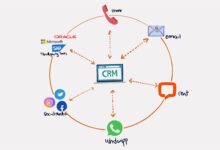
Defining the Concept of Simplicity in CRM
Simplicity in CRM means removing unnecessary complexity while retaining powerful tools that help sales teams work efficiently. Lead simple CRM eliminates bloated interfaces, redundant modules, and steep onboarding processes. Instead, it emphasizes intuitive design, fast deployment, and seamless integration with existing workflows.
- Focuses on core sales activities like lead tracking and follow-ups
- Reduces time spent on data entry and navigation
- Prioritizes mobile access and real-time updates
According to Gartner’s Market Guide for Sales CRM, user adoption remains one of the biggest challenges in CRM implementation—something simplified platforms directly address by enhancing usability.
How Lead Simple CRM Differs from Traditional CRM Systems
Traditional CRM systems like Salesforce or Microsoft Dynamics are powerful but often overwhelming. They require extensive training, customization, and IT support. In contrast, Lead simple CRM platforms are built for immediate use with minimal setup.
“The best CRM isn’t the one with the most features—it’s the one your team actually uses.” — Sales Management Expert
Key differences include:
- Onboarding Time: Lead simple CRM can be up and running in hours, not weeks.
- User Interface: Clean dashboards replace cluttered menus.
- Pricing Model: Often subscription-based with transparent, scalable pricing.
- Customization: Limited but purposeful—only what’s needed to close deals faster.
This lean approach ensures higher user adoption and better ROI, especially for startups and growing teams.
Top 7 Benefits of Using Lead Simple CRM
Adopting a Lead simple CRM isn’t just about cutting down features—it’s about amplifying results through clarity and efficiency. Here are seven powerful advantages that make this approach a game-changer for modern sales teams.
1. Faster Onboarding and Higher User Adoption
One of the biggest pain points with traditional CRM software is low user adoption. Studies show that nearly 70% of CRM projects fail due to poor employee engagement. Lead simple CRM combats this by offering an intuitive interface that requires little to no training.
New team members can start logging calls, tracking leads, and scheduling follow-ups within minutes. This rapid onboarding translates into faster productivity and consistent data entry across the board.
For example, platforms like Zoho CRM and HubSpot CRM have demonstrated high adoption rates because of their simplicity-first design philosophy.
2. Improved Sales Team Productivity
When sales reps spend less time navigating complex menus and more time engaging with prospects, productivity soars. Lead simple CRM removes friction from daily tasks by automating repetitive actions such as contact logging, email tracking, and task reminders.
- Automated lead assignment based on territory or workload
- One-click calling and email integration
- Smart reminders for follow-ups and deal milestones
These features reduce cognitive load and allow sales professionals to focus on what they do best—selling.
3. Enhanced Data Accuracy and Consistency
Complex CRMs often lead to inconsistent or incomplete data entry because users skip fields or avoid logging activities altogether. With Lead simple CRM, fewer fields and smart defaults encourage complete and accurate record-keeping.
For instance, auto-capturing email interactions from Gmail or Outlook directly into the CRM ensures no communication is missed. This real-time synchronization improves forecasting accuracy and helps managers make informed decisions.
“Accurate data is the foundation of effective sales strategy.” — Forbes Insights Report
4. Cost-Effective for Small and Growing Businesses
Traditional CRM systems can cost thousands of dollars annually, including licensing, training, and maintenance. Lead simple CRM platforms typically offer affordable pricing tiers, often starting with a free plan.
Examples include:
- HubSpot CRM: Free forever plan with core features
- Insightly: Affordable tier for small teams
- Pipedrive: Transparent pricing based on users
This cost efficiency allows startups and SMBs to leverage enterprise-grade tools without breaking the bank.
5. Mobile-First Design for On-the-Go Sales Teams
Salespeople are rarely at their desks. A Lead simple CRM is designed with mobility in mind, offering robust mobile apps that sync in real time.
Features like GPS check-ins, voice-to-note logging, and offline access empower field sales teams to stay connected and productive regardless of location.
According to a Salesforce State of Sales Report, 76% of high-performing sales teams use mobile CRM tools regularly.
6. Seamless Integration with Essential Tools
Even though it’s simple, Lead simple CRM doesn’t sacrifice connectivity. Most platforms integrate effortlessly with email, calendars, marketing automation, and telephony systems.
Popular integrations include:
- Gmail and Outlook for email tracking
- Zoom and Google Meet for call logging
- Mailchimp and ActiveCampaign for marketing sync
- Slack and Teams for team notifications
These integrations ensure that the CRM becomes a central hub for all customer interactions without requiring manual data transfer.
7. Scalability Without Complexity
A common misconception is that simplicity means limited growth potential. However, many Lead simple CRM platforms are built to scale with your business.
As your team grows, you can add features like workflow automation, advanced reporting, or team collaboration tools—all while maintaining a clean, user-friendly interface.
For example, Pipedrive allows users to start with a basic pipeline and gradually enable AI-powered insights or multi-user dashboards as needed.
Key Features to Look for in a Lead Simple CRM
Not all CRMs labeled “simple” deliver equal value. To ensure you’re choosing the right platform, focus on these essential features that define a true Lead simple CRM experience.
Intuitive User Interface and Dashboard
The hallmark of a great Lead simple CRM is an interface that feels natural. Users should be able to find what they need within seconds, not minutes.
Look for:
- Drag-and-drop deal pipelines
- Customizable dashboard widgets
- Minimal clicks to perform common actions
A clean UI reduces frustration and increases daily usage, which directly impacts sales performance.
Automated Lead Capture and Management
Manual lead entry is a major time-waster. A strong Lead simple CRM automatically captures leads from web forms, emails, social media, and landing pages.
Advanced options include:
- Email parsing to extract contact details
- Web-to-lead forms with instant CRM population
- Duplicate detection to prevent clutter
This automation ensures no opportunity slips through the cracks and keeps your database fresh and organized.
Real-Time Collaboration Tools
Sales is a team sport. Even in simple CRMs, collaboration features like shared notes, @mentions, and activity feeds help teams stay aligned.
For example, when a rep updates a deal stage, managers and teammates can instantly see the change and respond accordingly. This transparency fosters accountability and faster decision-making.
“Collaboration within CRM increases win rates by 20% compared to isolated systems.” — CSO Insights
How to Choose the Right Lead Simple CRM for Your Business
Selecting the best Lead simple CRM requires more than just comparing price tags. It involves understanding your sales process, team size, and long-term goals.
Assess Your Sales Process and Needs
Start by mapping out your current sales funnel. Identify key stages—from lead generation to closing—and determine what tools you need at each step.
Ask yourself:
- Do we need email tracking?
- How important is mobile access?
- Do we rely on integrations with other tools?
Answering these questions will help narrow down platforms that align with your workflow.
Compare Pricing and Scalability Options
While affordability is important, consider long-term costs. A free CRM might lack essential features you’ll need in six months.
Evaluate:
- Free vs. paid tiers
- Cost per user as you grow
- Hidden fees for storage or integrations
Platforms like Zoho CRM offer tiered pricing that scales with your business, making them ideal for growing teams.
Test User Experience with Free Trials
Never commit without testing. Most Lead simple CRM providers offer free trials or freemium versions.
During the trial:
- Invite your sales team to test it
- Simulate real-world scenarios (e.g., logging a call, updating a deal)
- Check mobile app performance
Collect feedback and measure ease of use before making a final decision.
Top 5 Lead Simple CRM Platforms in 2024
With so many options available, it helps to know which platforms stand out for delivering true simplicity without sacrificing power.
1. HubSpot CRM
HubSpot CRM is arguably the most popular Lead simple CRM platform, thanks to its free plan and exceptional usability.
- Free forever plan with full CRM functionality
- Seamless integration with Gmail and Outlook
- Deal pipeline, task management, and email tracking
It’s ideal for startups and small businesses looking to scale with minimal friction. Learn more at hubspot.com/products/crm.
2. Pipedrive
Pipedrive was built by salespeople for salespeople. Its visual pipeline makes it easy to track deals and forecast revenue.
- Drag-and-drop interface
- Activity-based reminders
- Strong automation and reporting tools
It’s particularly effective for teams with linear sales processes. Visit pipedrive.com to explore its features.
3. Zoho CRM
Zoho CRM strikes a balance between simplicity and customization. It offers AI-powered assistance and robust automation while maintaining a clean interface.
- Free plan for up to three users
- Zia AI for predictive insights
- Multi-channel communication tracking
It’s a great fit for businesses that want room to grow. Check it out at zoho.com/crm.
4. Insightly
Insightly combines CRM with project management, making it ideal for service-based businesses.
- Project and task tracking within CRM
- Customer lifecycle management
- Strong API for custom integrations
It’s perfect for teams that manage long-term client relationships. Learn more at insightly.com.
5. Freshsales (by Freshworks)
Freshsales offers a modern, intuitive interface with built-in phone and email capabilities.
- AI-based lead scoring
- Visual deal pipeline
- Integrated VoIP calling
It’s a top choice for teams wanting an all-in-one communication and CRM solution. Explore it at freshworks.com/crm.
Common Challenges and How to Overcome Them
Even the best Lead simple CRM can face adoption hurdles. Understanding these challenges early helps ensure long-term success.
Data Migration from Old Systems
Moving data from legacy CRMs or spreadsheets can be daunting. However, most Lead simple CRM platforms offer import tools for CSV files and API-based migration.
Tips for smooth migration:
- Clean your data before importing (remove duplicates, standardize formats)
- Start with essential fields only
- Use staging environments to test imports
Platforms like HubSpot and Zoho provide detailed migration guides to help users transition smoothly.
Ensuring Team Adoption and Engagement
User resistance is common when introducing new software. To overcome this:
- Involve the team in the selection process
- Provide hands-on training sessions
- Highlight time-saving benefits with real examples
Leadership buy-in is crucial—when managers use the CRM daily, teams are more likely to follow.
Maintaining Data Hygiene Over Time
Even with simple systems, data can become outdated. Set up regular audits and use automation to keep records fresh.
- Schedule monthly cleanup tasks
- Use duplicate detection rules
- Enable auto-updates from email and calendar syncs
“A CRM is only as good as the data inside it.” — Sales Operations Manager
Future Trends in Lead Simple CRM Technology
The world of CRM is evolving fast. Simplicity remains a priority, but new technologies are enhancing what Lead simple CRM can do.
AI-Powered Insights and Automation
Artificial intelligence is no longer just for enterprise systems. Modern Lead simple CRM platforms now include AI features like:
- Predictive lead scoring
- Email sentiment analysis
- Smart follow-up suggestions
For example, Zia in Zoho CRM learns from user behavior to recommend next steps, improving decision-making without complexity.
Increased Focus on Mobile and Offline Access
As remote selling grows, mobile functionality becomes non-negotiable. Future Lead simple CRM apps will offer richer offline experiences, voice command support, and augmented reality for field reps.
Expect deeper integration with wearables and smart devices to keep sales teams connected on the move.
Privacy-First and Secure Data Handling
With rising concerns over data privacy, Lead simple CRM platforms are adopting stronger encryption, GDPR compliance, and transparent data policies.
Users will have more control over who sees what, and platforms will offer built-in consent management for marketing communications.
As regulations evolve, simplicity will extend to compliance—making it easy to stay legal without hiring a data officer.
How to Maximize ROI with Lead Simple CRM
Implementing a CRM is just the first step. To truly benefit, you need a strategy for maximizing return on investment.
Set Clear Goals and KPIs
Define what success looks like. Common CRM KPIs include:
- Lead conversion rate
- Average deal cycle length
- Sales team activity levels
- Forecast accuracy
Track these metrics before and after CRM implementation to measure impact.
Train Your Team Continuously
One-time training isn’t enough. Offer refresher courses, create internal documentation, and appoint CRM champions within the team.
Encourage feedback and adapt usage based on real-world needs.
Leverage Reporting and Analytics
Even simple CRMs offer powerful reporting tools. Use them to:
- Identify bottlenecks in your sales funnel
- Recognize top-performing reps
- Optimize follow-up timing
Regular review of reports keeps your strategy agile and data-driven.
What is Lead simple CRM?
Lead simple CRM refers to a streamlined customer relationship management system designed to help sales teams manage leads and customer interactions with minimal complexity. It emphasizes ease of use, fast setup, and essential features that drive sales efficiency.
Is Lead simple CRM suitable for large enterprises?
While originally designed for small to mid-sized businesses, many Lead simple CRM platforms now offer scalable features that can support larger teams. However, enterprises with highly complex workflows may still require more customizable solutions.
Can Lead simple CRM integrate with email and calendar?
Yes, most Lead simple CRM platforms integrate seamlessly with popular email services like Gmail and Outlook, as well as calendar apps, enabling automatic logging of communications and events.
How much does a Lead simple CRM cost?
Costs vary, but many platforms offer free plans for small teams. Paid plans typically range from $10 to $50 per user per month, depending on features and scalability.
Does Lead simple CRM support mobile access?
Yes, mobile accessibility is a core feature of most Lead simple CRM systems. They offer dedicated iOS and Android apps with full functionality, including offline access in some cases.
Adopting a Lead simple CRM is one of the most effective ways to boost sales efficiency, improve team collaboration, and maintain accurate customer data—all without the burden of unnecessary complexity. By focusing on usability, integration, and scalability, these platforms empower businesses to grow smarter, not harder. Whether you’re a startup or a growing SMB, choosing the right Lead simple CRM can transform your sales process and deliver measurable ROI.
Further Reading:
